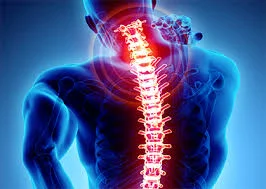
Spine Surgery: Everything You Need to Know for a Healthy Back
Your spine plays a crucial role in your daily life—it supports your body, allows movement, and protects the spinal cord. When something goes wrong with it, even simple activities like sitting or walking can become painful. That’s where Spine Surgery comes into play. Spine surgery is often considered when other treatments fail, and it can significantly improve a patient’s quality of life.
Understanding the Spine
Before diving into surgery, it’s important to understand what the spine actually is. The spine is made up of vertebrae (bones), discs (shock absorbers), nerves, and muscles. Any issue in these components can lead to severe pain or mobility problems.
When Do You Need Spine Surgery?
Doctors usually recommend surgery only after trying non-surgical treatments like physiotherapy, medications, or lifestyle changes. However, surgery becomes necessary in conditions such as: severe back or neck pain that doesn’t improve, nerve compression causing numbness or weakness, difficulty in walking or standing, and loss of bladder or bowel control in serious cases. Common conditions include Herniated Disc, Spinal Stenosis, and Degenerative Disc Disease.
Types of Spine Surgery
Spine surgery isn’t just one procedure—there are multiple techniques depending on the issue. Microdiscectomy is a minimally invasive procedure to remove part of a herniated disc pressing on a nerve. Spinal Fusion involves joining two or more vertebrae permanently to stabilize the spine. Laminectomy removes part of the vertebra to relieve pressure on the spinal cord. Artificial Disc Replacement replaces the damaged disc with an artificial one to maintain movement.
Role of the Specialist
Spine surgeries are performed by experts like a Spine Surgeon or neurosurgeons. Their experience and precision play a major role in the success of the surgery.
Benefits of Spine Surgery
While surgery may sound intimidating, it offers several benefits such as long-term pain relief, improved mobility, better posture and balance, and enhanced quality of life. Many patients who were once unable to walk properly regain normal function after successful surgery.
Risks You Should Know
Like any surgical procedure, spine surgery also carries some risks including infection, blood clots, nerve damage, and incomplete pain relief. However, modern medical advancements have reduced these risks significantly.
Recovery and Rehabilitation
Recovery is just as important as the surgery itself. After surgery, patients typically go through rest and monitoring, pain management, physical therapy, and a gradual return to daily activities. Following the doctor’s advice strictly can speed up recovery and prevent complications.